




601 N Craycroft Rd
Tucson, AZ 85711

What Tucson Drivers Get Wrong After a Car Accident and How It Affects Their Recovery
The decisions you make in the days following a car accident have a bigger impact on your long-term recovery than most people realize. Not because recovery is complicated, but because a handful of very common mistakes consistently turn short-term injuries into long-term problems.
At our Tucson, AZ clinic for auto injuries, Dr. David Heaton sees the same patterns again and again.
Patients who come in weeks or months after a crash, dealing with pain that could have been resolved much earlier, if they had known what to do and what to avoid right after the accident.
This article covers the most common mistakes people make after a collision and what to do instead.

Mistake 1: Assuming No Pain Means No Injury
This is the most common and most consequential mistake people make after a collision.
When your body experiences a traumatic event, it releases adrenaline and cortisol. These hormones actively suppress pain signals.
The result is that you can have significant soft tissue damage, spinal misalignment, or disc injury and feel almost nothing for hours or even days after the crash.
Whiplash is the clearest example of this. The ligament and muscle damage in the cervical spine typically produces its worst symptoms 24 to 72 hours after the event, not immediately. By the time the pain is undeniable, the inflammatory process is already well underway.
Feeling fine after an accident is not a reliable indicator of whether you were injured. Getting evaluated is.
Mistake 2: Relying on the ER Visit as a Full Assessment
Emergency rooms do what they are designed to do: rule out fractures, organ damage, and life-threatening conditions. If you left the ER without a fracture diagnosis, that is good news. It is not a clean bill of health.
Standard imaging does not show soft tissue damage. Muscles, tendons, ligaments, and spinal discs do not appear clearly on X-rays.
An ER visit rarely includes the hands-on functional assessment that reveals joint restriction, nerve irritation, or movement dysfunction.
A chiropractic evaluation fills exactly this gap. It looks at how your spine is moving, where joints are restricted, how muscles are responding, and whether there are signs of nerve involvement.
These are the findings that determine your actual recovery trajectory.
Mistake 3: Waiting to See if It Gets Better on Its Own
Rest has a role in early injury recovery, but passive rest alone is rarely enough, and waiting too long before seeking care has real consequences.
- Scar tissue forms quickly. The body lays down scar tissue within the first few days. It lacks the flexibility of healthy tissue and restricts movement long after the pain fades. Early treatment guides healing before it sets.
- Compensation patterns become habits. Your nervous system reroutes movement to protect the painful area within days. This shifts load onto structures not built to carry it, creating secondary pain in new areas.
- The treatment window narrows. Spinal joints, discs, and soft tissues are most responsive in the first weeks. The same treatment that produces fast improvement in week one may take much longer in week six or twelve.
If you are more than mildly sore 48 to 72 hours after a collision, that soreness is not going to resolve faster by waiting. It is time to be evaluated.
If you felt fine immediately after the accident, that also does not mean you are in the clear. A post-accident chiropractic evaluation within the first week is a sound choice regardless of how you feel.
Mistake 4: Treating Pain With Medication and Calling It Recovery
Painkillers and anti-inflammatories have a role in managing acute discomfort after a crash. But they do not fix what caused the pain.
Medication addresses the symptom. It does not restore joint alignment, repair damaged soft tissue, or resolve nerve compression.
When it wears off and the structural problem is still there, the pain returns. Each time the cycle repeats, the underlying problem becomes more entrenched.
This is one of the primary reasons people end up with chronic pain after what should have been a straightforward injury. The pain was managed well enough to function, but the actual problem was never addressed.
Chiropractic care works alongside pain management when needed, but it addresses the structural cause rather than just suppressing the signal.
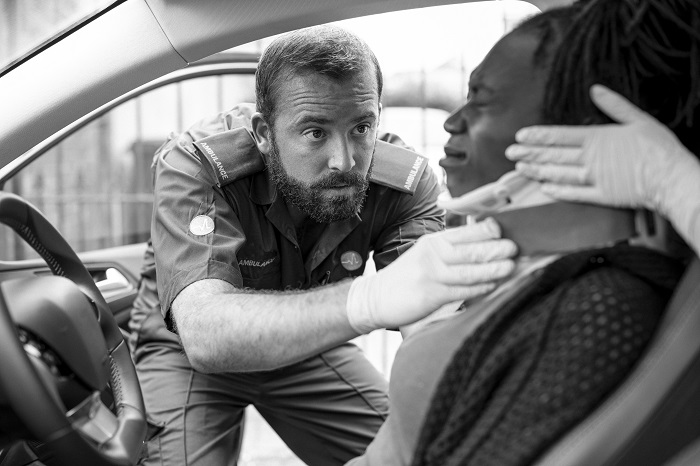
Mistake 5: Not Connecting Later Symptoms to the Accident
Headaches that start a week after a crash. Shoulder pain that develops gradually over the following month. Numbness in the hand that appears six weeks later. These are not coincidences, and they are not separate problems.
Delayed symptom onset is normal with soft tissue and nerve injuries. The cascade of inflammation, joint restriction, and nerve irritation after a collision does not always appear immediately.
Symptoms that develop days or weeks later are often direct consequences of the original impact.
- Post-accident headaches are almost always structural, driven by cervical tension or restricted facet joints, not stress.
- Hand numbness and tingling typically indicate cervical nerve involvement from the crash.
- Sciatica that develops after a collision usually points to a disc that was shifted or aggravated by the impact.
If you were in a crash and symptoms appear in the weeks that follow, connect the dots and get evaluated. Do not assume they are unrelated.
Mistake 6: Returning to Normal Activity Too Quickly
Feeling better is not the same as being healed. This distinction matters a great deal after a car accident.
Pain reduction is one marker of progress. Actual tissue healing and structural restoration take longer.
Returning to full physical activity or demanding work before healing is complete is one of the most common ways a manageable injury becomes a recurring one.
Re-injury during the early healing phase can be significantly more damaging than the original incident, because the tissue is already compromised and the body's structural defenses are not yet restored.
Dr. Heaton tracks objective markers of recovery, not just pain levels, so that return-to-activity decisions are based on what your body has actually recovered, not on how you feel on a good day.
Mistake 7: Ignoring the Insurance and Documentation Side
This is not a medical mistake, but it affects recovery in a practical way.
Arizona follows a fault-based insurance system. The at-fault driver's liability insurance is responsible for your medical care. Your own policy may also include personal injury protection. Both can apply to chiropractic care after a collision.
The critical factor is documentation. A medical record linking your symptoms to the accident is essential for a successful claim.
The longer you wait, the harder it becomes to establish that connection, and the more likely an insurer is to question whether the accident caused your injuries.
Arizona Chiropractic & Spine Rehabilitation works directly with auto injury cases. Dr. Heaton's team creates thorough records from the first visit and tracks your progress throughout care.
If you have questions about your coverage, call the office before your first appointment and someone will walk you through it.
What Good Recovery Actually Looks Like
Recovery from a car accident injury is not linear. There will be days that feel like setbacks. But with the right care in place, the overall direction is consistently forward.
- Chiropractic adjustments restore joint alignment and reduce nerve irritation.
- Spinal decompression relieves disc and nerve pressure when indicated.
- Infrared cold laser therapy and electrical muscle stimulation reduce inflammation and muscle guarding.
- Rehabilitation therapy rebuilds the strength and stability the accident disrupted.
The National Center for Complementary and Integrative Health notes that chiropractic care involves a thorough evaluation before any treatment decision, with care tailored to the individual patient.
That approach is especially important after an auto accident, where no two injury patterns are exactly the same.

A Few Practical Tips for the Days Right After a Crash
- Document everything. Take photos of the vehicles, get the police report number, and write down how you feel in the hours and days after the accident. Symptoms that seem minor now may become significant later.
- Stay off social media. Insurance companies monitor claimants' accounts. A photo of you looking fine at a social event, even if you are in pain that day, can be used to undermine your claim.
- Avoid heat in the first 48 to 72 hours. Heat worsens inflammation in the acute phase. Use ice instead, 15 to 20 minutes at a time with a cloth barrier.
- Keep moving gently. Complete rest is rarely right. Gentle movement keeps circulation flowing and prevents stiffness. Your chiropractor will guide you on what is appropriate at each stage.
- Get evaluated before accepting a settlement. Once you sign a release, you cannot go back for more coverage if symptoms worsen or new problems emerge. Get a clear picture of your injuries before signing anything.
When to Come In
If you were in a collision recently, the right time to be evaluated is now, not when the pain gets bad enough to force the issue.
If you were in an accident weeks or months ago and symptoms never fully resolved, it is not too late. Come in, get a proper evaluation, and find out what is actually going on.
Arizona Chiropractic & Spine Rehabilitation is at 601 N Craycroft Rd, Tucson, AZ 85711.
Call (520) 600-3300 or request an appointment online.
At Arizona Chiropractic in Tucson, our mission is not only to help you recover from pain, but also to educate and empower you with the tools to maintain long-term health and wellness.
Quick links
Office Hours
Monday | 8AM - 6PM
Tuesday | 8AM - 6PM
Wednesday | 8AM - 6PM
Thursday | 8AM - 6PM
Friday | 9AM - 1PM
Saturday & Sunday | Closed
Get In Touch
601 N Craycroft Rd
Tucson, AZ 85711
Copyright © 2026 Arizona Chiropractic & Spine Rehabilitation