




601 N Craycroft Rd
Tucson, AZ 85711

Chiropractic Care and Fall Prevention
Fall Prevention Tucson
Arizona Chiropractic Tucson >> Chiropractic Care and Fall Prevention
Falls are not just a nuisance. For older adults, a single fall can be the event that changes everything: a broken hip, a hospital stay, months of recovery, or a permanent loss of independence.
What most people do not realize is that many falls are preventable, and that chiropractic care plays a meaningful role in reducing the risk. Not just by treating pain after a fall, but by addressing the underlying issues that make people fall in the first place.
How Common Are Falls, and Why Do They Happen?
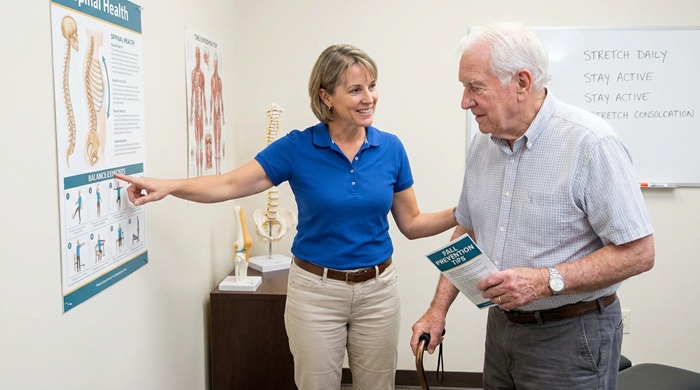
According to the CDC's STEADI fall prevention program, one in four adults aged 65 and older falls each year. Falls are the leading cause of injury-related death in that age group, and more than 95% of hip fractures result from a fall.
Falls are not random. They happen because of specific, identifiable deficits in the systems that keep the body upright and moving safely.
The main contributors include:
- Reduced balance and proprioception. Proprioception is the body's ability to sense where it is in space. It depends on sensory input from the joints, muscles, and the nervous system. As spinal joint function declines, so does the quality of that input.
- Muscle weakness. Particularly in the lower body and core. Weak muscles cannot respond quickly enough to catch a stumble before it becomes a fall.
- Restricted joint mobility. Stiff hips, ankles, and spinal joints change the way a person walks and reduces their ability to recover from an unexpected shift in weight.
- Chronic pain. Back pain, knee pain, and sciatica alter gait patterns in ways that increase fall risk. When walking hurts, people change how they move, often in ways that trade short-term comfort for long-term instability.
- Dizziness and balance disorders. The upper cervical spine is closely connected to the systems that regulate balance. Cervical joint dysfunction is a frequently overlooked contributor to dizziness and unsteadiness, especially in older adults.
Where Chiropractic Care Fits In
Chiropractic care is not a substitute for a comprehensive fall prevention program. But it addresses several of the most common contributing factors directly.
Improving joint mobility. Chiropractic adjustments restore proper movement in restricted spinal and peripheral joints. When joints move the way they are supposed to, the body gets better proprioceptive feedback and can respond more accurately to changes in balance and terrain.
Reducing pain that changes gait. Chronic lower body and spinal pain forces compensatory movement patterns that increase fall risk. Addressing the source of that pain restores more natural gait mechanics and removes the movement adaptations that create instability.
Addressing cervicogenic dizziness. When the upper cervical joints are restricted or misaligned, they can disrupt the sensory signals that the brain uses to maintain balance. Chiropractic care targeting the cervical spine is often effective for this type of dizziness.
Supporting rehabilitation. Rehabilitation exercises that strengthen the lower body and improve coordination are a cornerstone of evidence-based fall prevention. Chiropractic care and rehabilitation work together. Improving joint function makes the exercises more effective, and the exercises make the improvements from chiropractic care last longer.
The Role of the Spine in Balance
This connection is worth understanding, because it is not obvious.
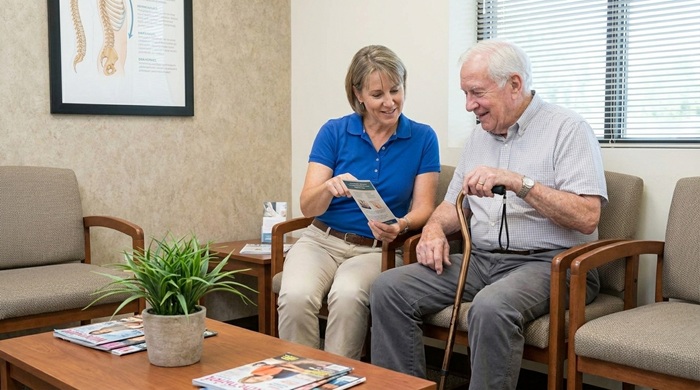
Your spine houses the spinal cord, which is the primary pathway for sensory information traveling between your body and your brain. The joints of the spine, particularly in the cervical and lumbar regions, contain dense concentrations of mechanoreceptors, sensory cells that detect position, movement, and load.
When spinal joints are restricted or moving improperly, the quality of sensory information reaching the brain degrades. The brain's picture of where the body is and how it is moving becomes less accurate.
This is one reason why spinal health is so closely tied to balance function, and why restoring proper spinal joint movement can improve stability in ways that extend well beyond local pain relief.
Most fall prevention advice focuses on environmental changes such as removing rugs, installing grab bars, and improving lighting. These things matter.
But the body itself is also a factor. Joint mobility, muscle strength, spinal health, and nervous system function all determine how well the body can handle an unexpected stumble. Addressing these physical factors is just as important as changing the environment.
What to Expect at an Evaluation
A fall prevention evaluation at Arizona Chiropractic & Spine Rehabilitation looks at both the structural and functional factors involved.
Dr. Heaton will assess spinal alignment and joint mobility, evaluate gait and balance, identify areas of restriction or weakness that are contributing to fall risk, and look at how pain or limited mobility is affecting movement patterns.
From there, a care plan is built around what was actually found. That might include chiropractic adjustments to restore joint function, targeted rehabilitation exercises to build strength and coordination, and guidance on what to do at home between visits.
Who Should Consider This?
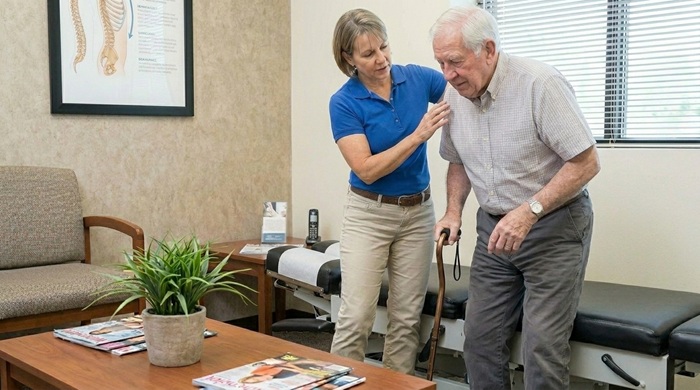
Fall prevention care is relevant for anyone who has already experienced a fall, anyone who has noticed changes in their balance or steadiness, and anyone managing chronic pain or limited mobility that affects how they move.
It is also worth considering proactively. The structural changes that increase fall risk develop gradually, often long before an actual fall occurs. Addressing them early is far easier than addressing them after an injury has happened.
If you or a family member in Tucson, AZ is concerned about fall risk, a chiropractic evaluation is a practical, non-invasive starting point.
Arizona Chiropractic & Spine Rehabilitation is at 601 N Craycroft Rd, Tucson, AZ 85711.
Call (520) 600-3300 or request an appointment online.
At Arizona Chiropractic in Tucson, our mission is not only to help you recover from pain, but also to educate and empower you with the tools to maintain long-term health and wellness.
Quick links
Office Hours
Monday | 8AM - 6PM
Tuesday | 8AM - 6PM
Wednesday | 8AM - 6PM
Thursday | 8AM - 6PM
Friday | 9AM - 1PM
Saturday & Sunday | Closed
Get In Touch
601 N Craycroft Rd
Tucson, AZ 85711
Copyright © 2026 Arizona Chiropractic & Spine Rehabilitation