




601 N Craycroft Rd
Tucson, AZ 85711

Chiropractic Care After an Auto Accident in Tucson AZ
A car accident puts your body through forces it was never designed to absorb. Even when you walk away without obvious injuries, the impact on your spine, joints, and soft tissue can be significant.
Chiropractic care targets the structural and neurological effects of trauma directly, rather than simply masking the pain.
If you are looking for chiropractic care after an auto accident in Tucson, AZ, this article explains how the process works, what conditions it treats, and what you can expect throughout recovery.
The Injuries a Car Accident Creates
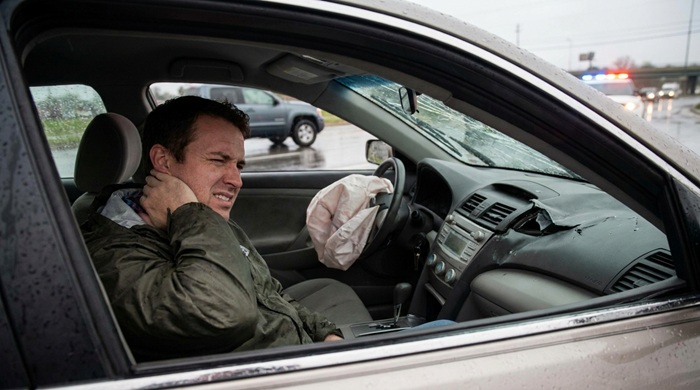
Collisions produce a rapid transfer of energy through the body in directions the musculoskeletal system is not braced for.
The result is a predictable pattern of injuries. Soft tissue strain in the muscles and ligaments. Disc compression or displacement in the cervical and lumbar spine. Facet joint irritation from the sudden compressive load. Nerve irritation from swelling and structural changes around the spinal column.
None of these are visible on standard X-rays, and none of them always produce immediate severe pain. Adrenaline masks the symptoms in the hours after the crash. Inflammation builds over the following 24 to 72 hours. By the time the full symptom picture emerges, the injury has already been developing for days.
This is why so many people are surprised by how bad they feel several days after an accident that initially seemed minor.
What Chiropractic Care Specifically Addresses
Chiropractic care is not just pain management. It addresses the structural causes of the pain directly.
Spinal misalignment. The forces of a collision shift spinal joints out of their normal position. This irritates surrounding nerves and causes the muscles to guard protectively, which compounds the pain. Chiropractic adjustments restore proper joint alignment and motion, reducing nerve irritation and allowing the surrounding musculature to release.
Disc injuries. Bulging or herniated discs press on nerve roots and produce radiating pain, numbness, and tingling. Spinal decompression therapy creates negative pressure inside the disc space, encouraging disc material to retract and restoring the disc's nutritional environment for healing.
Soft tissue damage. Muscles, tendons, and ligaments strained or torn during the crash need targeted treatment to heal without forming restrictive scar tissue. Manual therapy and other soft tissue techniques address this layer of the injury directly.
Nerve irritation. Compressed or inflamed nerves produce symptoms far from the original injury site, including arm pain, leg pain, and hand numbness. Restoring proper joint space and reducing inflammation around the nerve allows these symptoms to resolve.
Muscle spasm and guarding. Electrical muscle stimulation reduces acute spasm in the early phase of care, making the spine more accessible to treatment and reducing the pain cycle that disrupts sleep and daily function.
Common Conditions Treated After a Crash
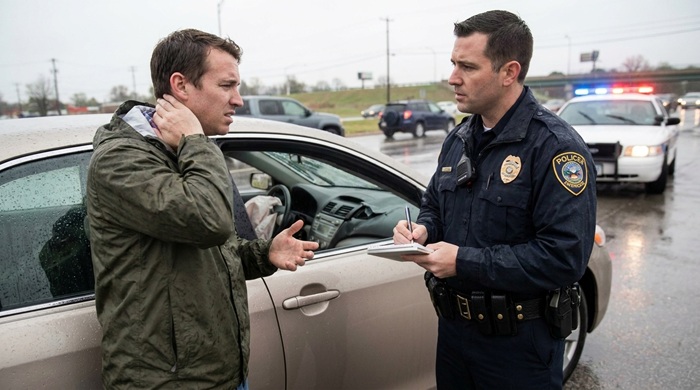
- Whiplash — The most common auto accident injury. Rapid hyperextension and flexion of the cervical spine strains muscles and ligaments, compresses discs, and irritates facet joints. Early chiropractic care significantly improves outcomes and reduces the risk of chronic neck pain.
- Neck pain and stiffness — Often the first symptom to appear after a crash and one of the most persistent if left untreated. Cervical joint restriction, muscle tension, and disc involvement all contribute and all respond to chiropractic care.
- Back pain — The lumbar and thoracic spine absorb significant force during a collision. Muscle strains, facet joint injuries, and disc problems are all common and can become chronic without proper treatment.
- Headaches — Post-accident headaches are structural in origin, typically driven by upper cervical joint irritation and muscle tension. They do not respond to pain medication the way a routine tension headache does, but they do respond to chiropractic care targeting the cervical spine.
- Sciatica — A lumbar disc shifted or herniated during a crash can compress the sciatic nerve, producing radiating pain from the lower back through the leg. Early decompression and joint care can resolve this without surgical intervention.
- Shoulder pain — The bracing reflex, seatbelt force, and airbag deployment can all strain the shoulder joint and rotator cuff. Untreated shoulder injuries restrict range of motion and worsen over time.
- Hand numbness and tingling — A sign that the injury has affected cervical nerve function. Prompt care reduces the risk of the nerve irritation becoming entrenched.
- Dizziness — Upper cervical misalignment and inner ear disruption from the crash can both produce dizziness that persists long after the accident. Chiropractic care targeting the upper cervical spine often resolves this effectively.
Why Early Care Produces Better Outcomes
The body begins responding to injury immediately. Inflammation builds. The nervous system reroutes movement to protect painful areas. Scar tissue starts forming around damaged soft tissue.
Each of these processes, if allowed to progress unchecked, makes recovery harder and longer.
Scar tissue that forms around an injured joint or ligament restricts movement permanently if not addressed early. Compensation patterns that develop in the first weeks after a crash can create secondary pain in new areas, months after the original injury seemed to have resolved. Discs that remain compressed and poorly nourished begin to degenerate.
Early chiropractic care interrupts each of these processes. It does not just reduce pain faster. It changes the trajectory of recovery and significantly reduces the risk of the injury becoming chronic.
The National Center for Complementary and Integrative Health recognizes spinal manipulation as an evidence-supported intervention for both acute and chronic back and neck pain.
For acute injuries, which is exactly what a car accident creates, the evidence consistently shows that early hands-on care produces better outcomes than passive rest or delayed treatment. The American College of Physicians includes spinal manipulation as a first-line recommendation for acute back pain.
The Full Treatment Toolkit at Arizona Chiropractic & Spine Rehabilitation
Not every auto accident injury is the same, and not every case requires the same treatment approach. Dr. Heaton builds a care plan around what your evaluation actually shows.
- Chiropractic adjustments — Precise, controlled force applied to restricted spinal joints to restore mobility, reduce nerve irritation, and allow surrounding muscles to release protective tension.
- Spinal decompression — Motorized traction that creates negative intradiscal pressure, drawing bulging or herniated disc material away from compressed nerves and restoring the disc's healing environment.
- Infrared cold laser therapy — Light energy that penetrates soft tissue to accelerate cellular repair and reduce inflammation at the site of injury. Particularly effective for ligament and muscle damage from whiplash.
- Electrical muscle stimulation — Controlled electrical pulses that reduce muscle spasm and guarding in the acute phase of recovery, making the spine more accessible to adjustment and decompression.
- Hyperbaric oxygen therapy — For cases involving concussion or significant nerve involvement, pressurized oxygen delivery accelerates tissue healing and reduces neurological inflammation in ways standard care cannot match.
- Rehabilitation exercises — Targeted strengthening and stability work that rebuilds the muscular support system around the recovering spine. This is what makes the gains from clinical care last after treatment ends.
What to Expect at Your First Visit
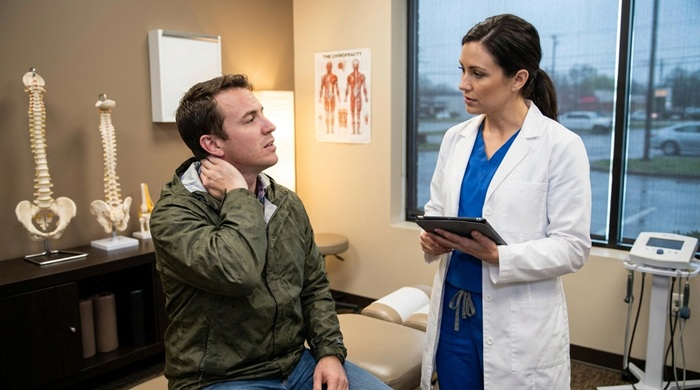
The first appointment is an evaluation. Dr. Heaton reviews the details of your accident, your current symptoms, your health history, and any imaging from the ER.
A hands-on physical examination follows. Posture, spinal alignment, range of motion, joint function, and neurological signs are all assessed. Nothing is assumed based on the type of accident. Everything is based on what the examination actually reveals.
You leave the first visit with a clear picture of your injuries, a specific care plan, and a realistic timeline for recovery. No vague reassurances and no pressure to commit to anything beyond what makes clinical sense for your situation.
Auto Insurance and Your Care
Chiropractic care is a covered treatment under most Arizona auto insurance policies.
The at-fault driver's liability coverage pays for your medical care, and your own personal injury protection may also apply. Arizona Chiropractic & Spine Rehabilitation works directly with auto injury cases and handles the documentation and insurance process so you can focus on getting better.
If you have questions about coverage before your first visit, call (520) 600-3300 and the team will walk you through it.

How Long Does Recovery Take?
It depends on the injury. Mild soft tissue strains with no disc involvement can resolve in a few weeks with consistent care.
More complex cases involving disc injuries, nerve compression, or significant soft tissue damage take longer, often several months. The key variable is how early care began and how consistently it was followed through.
Progress is tracked objectively at every visit. You will always know what has improved and what still needs work, and the plan adjusts as your recovery develops.
Do Not Wait
The most common thing patients say after recovering from an auto accident injury is that they wish they had come in sooner.
Not because care is difficult. Because weeks of unnecessary pain, disrupted sleep, and reduced function could have been avoided with earlier treatment.
If you were in a collision, come in for an evaluation. Even if you feel okay right now.
Arizona Chiropractic & Spine Rehabilitation is at 601 N Craycroft Rd, Tucson, AZ 85711.
Call (520) 600-3300 or request an appointment online.
At Arizona Chiropractic in Tucson, our mission is not only to help you recover from pain, but also to educate and empower you with the tools to maintain long-term health and wellness.
Quick links
Office Hours
Monday | 8AM - 6PM
Tuesday | 8AM - 6PM
Wednesday | 8AM - 6PM
Thursday | 8AM - 6PM
Friday | 9AM - 1PM
Saturday & Sunday | Closed
Get In Touch
601 N Craycroft Rd
Tucson, AZ 85711
Copyright © 2026 Arizona Chiropractic & Spine Rehabilitation